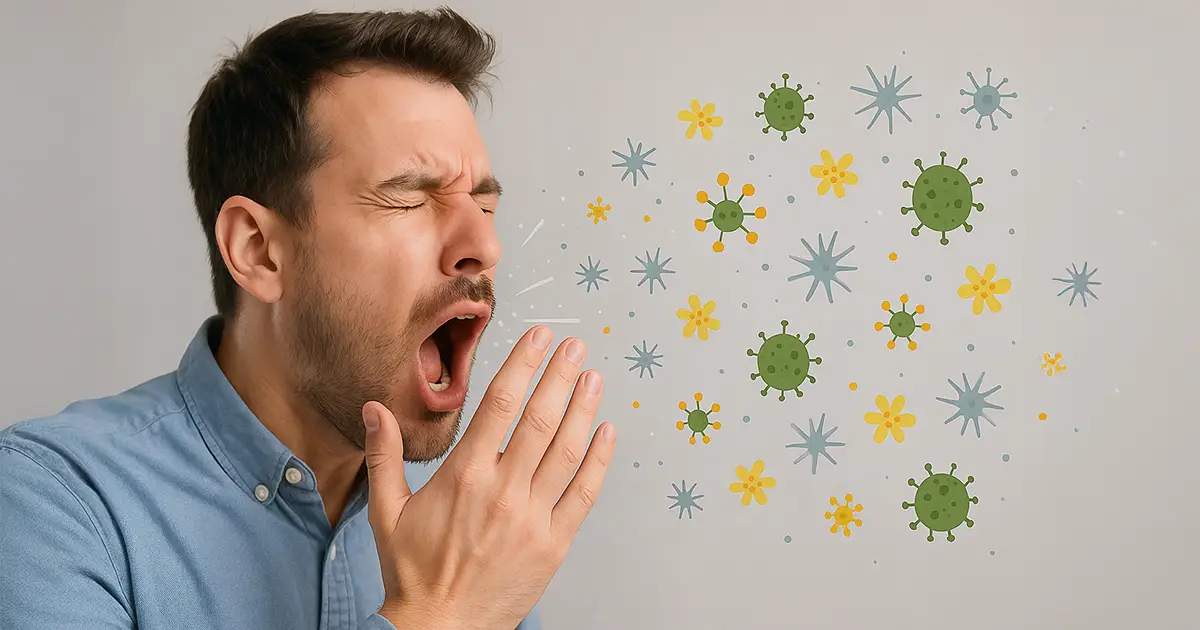
Fall brings gorgeous foliage and crisp mornings, but if you’re one of the millions who suffer from seasonal allergies, you know there’s a darker side to autumn. Ragweed pollen, mold spores, and all those indoor allergens that get stirred up when we retreat inside can make this beautiful season feel pretty miserable.
But here’s something you might not realize: your HVAC system can actually help. With some straightforward upgrades and a little seasonal attention, you can turn it into a legitimate defense against the allergens that make you sneeze, sniffle, and reach for the tissue box.
Let’s talk about how.
Why Fall Allergies Are So Brutal
That refreshing autumn air? It’s loaded with allergens. Ragweed is the big culprit in fall, pumping out billions of pollen grains that can travel for miles on the wind. Even if you don’t live anywhere near a field of ragweed, the pollen finds you. It hitches rides on your clothes, your pets, and slips in through open windows.
Then there’s mold. Those picturesque piles of damp leaves in your yard are basically mold factories, and the spores don’t stay outside. They sneak in through vents and doorways, settling into your home just as you’re closing up for the season.
Once we start spending more time indoors, things get worse. Pet dander, dust mites, and yes, even cockroach particles become more concentrated in the air you’re breathing every day. The result? Sneezing, itchy eyes, congestion, and a runny nose that can last well into winter if your indoor air quality isn’t up to par.
Your HVAC Does More Than You Think
Most people think of their HVAC system as just a way to stay warm or cool. But it’s also constantly moving air through your entire house, and that means it’s either helping clean that air or making things worse by circulating allergens.
The difference comes down to how you set it up and maintain it. A few smart changes can shift your system from allergen distributor to allergy fighter.
Get Your Humidity Under Control
Mold and dust mites both love moisture. When indoor humidity climbs above 50%, you’re basically rolling out the welcome mat for these allergens. Too little humidity isn’t great either since dry air irritates your nasal passages and makes you more sensitive to everything else floating around.
Your HVAC system does some humidity control on its own, but it might not be enough. A whole-home dehumidifier works with your existing system to keep moisture levels right where they should be, typically between 30 and 50 percent. If your home tends to get too dry in fall and winter, a whole-home humidifier does the opposite job.
Either way, balance is what you’re after. Too much moisture or too little both make allergies worse.

Stop Cheaping Out on Filters
This is probably the easiest change you can make, and it has real impact. Standard HVAC filters are designed to protect your equipment from debris, not to clean your air. If allergies are an issue in your house, upgrade to a filter with a MERV rating between 11 and 16.
These higher-rated filters catch more of the small stuff: pollen, pet dander, dust mites. HEPA filters are even better at trapping tiny particles, but they can restrict airflow if your system wasn’t designed to handle them. Check with a professional before making the switch.
And actually change your filters. Every one to three months is the baseline, but if you have pets or someone with allergies living in your home, you’ll need to swap them out more often.
Consider a Whole-Home Air Purifier
Those little tabletop purifiers work fine for one room, but they can’t keep up with an entire house. A whole-home air purifier gets installed right into your HVAC system and cleans air as it circulates through every room.
These units run constantly, pulling out mold spores, dust mites, pet dander, bacteria, and more. If you or someone in your family deals with chronic allergies or asthma, this kind of upgrade can make a noticeable difference in how you feel day to day.
Many whole-home purifiers use advanced filtration like HEPA-style or electrostatic technology to trap even the smallest allergen particles.
Add UV Lamps for Extra Protection
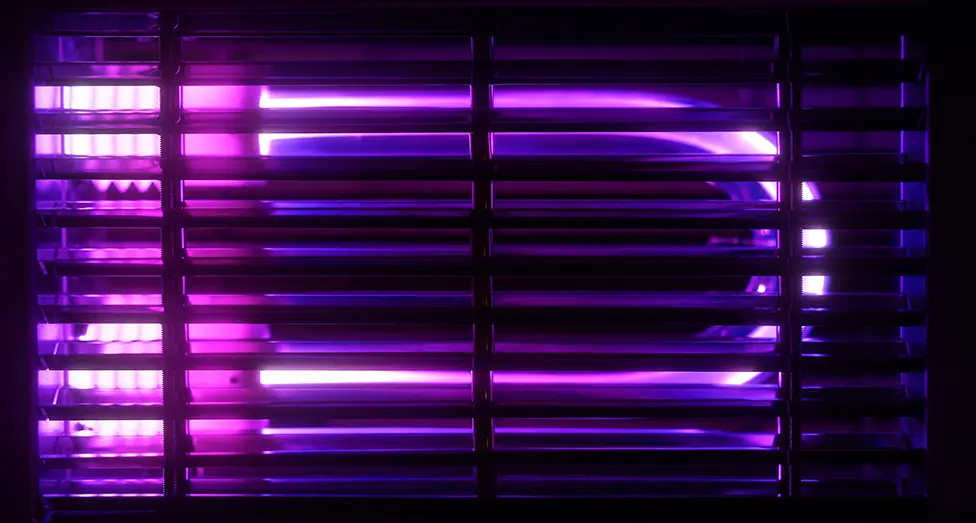
UV lamps don’t filter air, they sterilize it. Installed near your coils or inside your ductwork, these lamps kill mold spores, bacteria, and viruses as they pass through your system.
It’s not a replacement for good filtration, but it adds another layer of protection. Homes prone to mold or families with respiratory issues benefit the most. It’s a quiet, invisible upgrade that keeps working in the background to improve your air quality.
Use Smart Tech to Stay Ahead of Allergens
If you’ve got a smart thermostat or other connected devices, you can automate some of your allergy defense. Platforms like IFTTT let you set up triggers so your air purifier kicks on automatically when pollen counts spike in your area.
You can also sync your HVAC with a smart air quality monitor that alerts you when it’s time to run the purifier or adjust humidity. Voice assistants like Alexa or Google Assistant make it easy to control everything without getting up. Cooking something that’s making the air stuffy? Just tell your system to turn on the purifier.
Don’t Skip Maintenance
Even the best filter in the world won’t help much if your system is dirty or struggling. Regular HVAC maintenance keeps everything running smoothly and ensures the air circulating through your home is actually getting cleaned.
During a maintenance visit, a technician inspects, cleans, and calibrates your entire system, including ducts, coils, and fans. This cuts down on dust buildup and makes sure airflow and filtration are working like they should. It also prevents breakdowns and extends your system’s lifespan.
Fall is the perfect time to schedule this service, so give your friends at CAST Heating & Air Conditioning a call! We’ll get it done before the cold weather hits and everyone else is scrambling for appointments.
If you’re not already on a maintenance plan, consider signing up for one. Annual plans typically include seasonal tune-ups, discounts on repairs, and priority scheduling so you’re not left waiting when something goes wrong.
Simple Habits That Make a Big Difference
Your HVAC system can do a lot, but a few everyday habits help even more.
Keep windows closed on high pollen days. Check a weather app or allergy forecast to plan when it’s safe to open up. After spending time outside, especially doing yard work, change your clothes and wash your face or hop in the shower. Pollen clings to fabric and skin, so you’re bringing it inside with you.
If you’re raking leaves or mowing, either delegate those tasks or wear a good filtration mask. And make it a house rule to leave shoes at the door. Pollen travels on shoe treads and gets tracked all through your home otherwise.
If you’re doing all this and still struggling, it might be worth seeing an allergist. They can pinpoint exactly what’s triggering your symptoms and suggest treatments like allergy shots or medications that offer longer-term relief.
Final Thoughts
You don’t have to spend another autumn feeling lousy. A few upgrades to your HVAC system, some smart habits, and regular maintenance can turn your home into a place where you actually breathe easier.
Start now. Swap out that filter. Look into an air purifier or humidity control. Book your fall maintenance before the schedule fills up. Each step you take adds up to cleaner air and a more comfortable season.
CAST Heating & Air Conditioning can help you figure out exactly what your home needs to fight fall allergies. Whether it’s a filter upgrade, humidity control, a full air quality system, or just a seasonal tune-up, we’ve got the experience and equipment to make it happen.
Give us a call at (972) 955-2588 to schedule your service or talk through your options. Let’s make your HVAC system work for you this fall.