In Combine, Texas, cold weather doesn't mess around. One day you're enjoying 60-degree sunshine, and the next morning your heater's running full blast and won't stop. Those sudden temperature swings and long stretches of cold push your HVAC system harder than most people realize. While it's busy keeping your family warm, small problems can snowball into expensive breakdowns right when you need heat the most.
Here at CAST Heating & Air Conditioning, it's our job to keep our customers safe, warm and cozy all winter long. So we put together some tips that can help you recognize if your furnace or heat pump is sending an SOS.
Your System Runs Without a Break
Think about how your furnace normally works. It kicks on, heats your home to the right temperature, then shuts off for a while. That's the cycle it's designed for. But when temperatures drop and stay low for days, those normal cycles disappear. Your system just runs and runs.
Parts like blower motors, igniters, and belts weren't built for marathon sessions. They need those rest periods between cycles. Skip enough breaks, and things start wearing out faster than they should. You might notice your furnace turning on and off rapidly without ever really finishing its job. That's called short cycling, and it's your system telling you it's struggling.
Heat pumps face their own winter battle. As outdoor temperatures fall, these units have to work much harder to pull warmth from increasingly cold air. Eventually, they give up and switch to backup heat, which is usually electric resistance heating. It works, but it costs you. A lot. If your backup heat runs constantly, your next electric bill is going to hurt.
Cold weather also creates freezing risks most homeowners never think about. Coils, refrigerant lines, and condensate drains can all freeze solid when temperatures plunge. One frozen line can shut down your entire system and leave you waiting for a repair technician in the middle of a cold snap.
Ice and Wind Do Real Damage
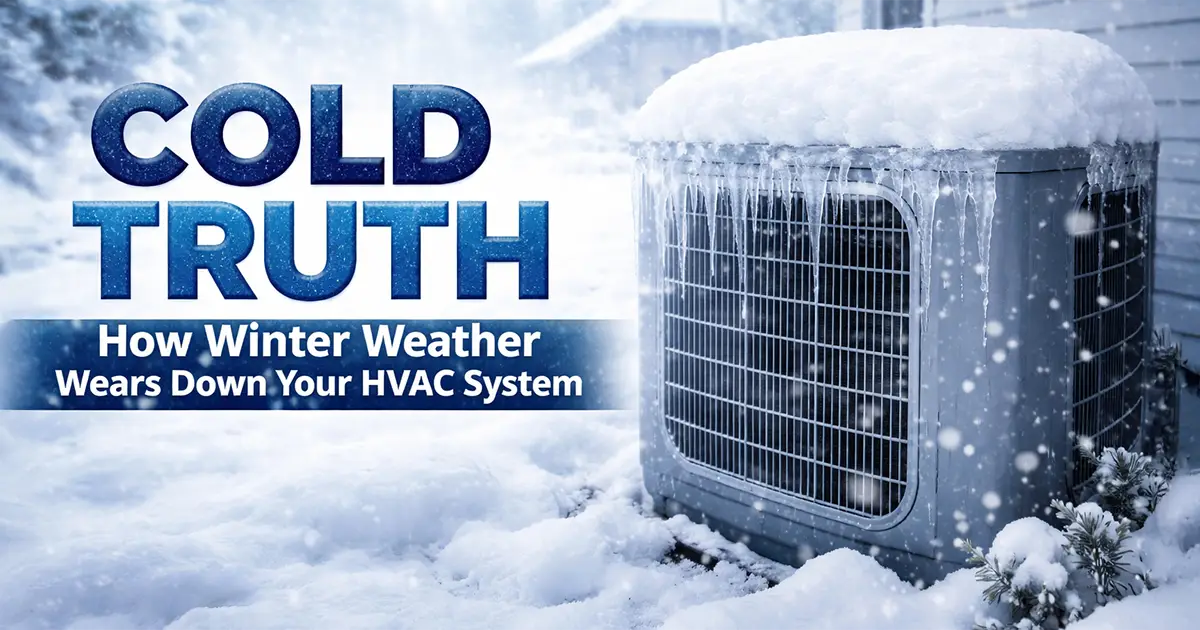
Your outdoor HVAC unit sits outside all winter, taking whatever weather comes its way. Ice buildup around the unit blocks airflow and adds weight to fan blades that are supposed to spin freely. When ice forces them to work harder, motors can burn out.
Winter winds blow more than just cold air. Leaves, twigs, and debris get pushed into and around your outdoor unit. When junk piles up inside the housing or blocks the base, your compressor has to strain against restricted airflow. That extra work shortens its lifespan.
Heavy snow creates another problem. If it piles up around your unit, it smothers ventilation and forces the system to either work harder or shut itself off as a safety measure. Exhaust vents and flues can get blocked too, which triggers shutdowns or, in worst-case scenarios, allows carbon monoxide to back up into your home.
Most of this damage happens quietly. Unless you're checking your outdoor unit regularly, you won't know there's a problem until your heat stops working on the coldest night of the year.

Your Energy Bills Tell the Story
When your HVAC system runs constantly, it burns through energy at an alarming rate. The difference between a system running normal cycles and one that's stressed can show up as hundreds of extra dollars on your utility bills across a single winter.
Older systems take the biggest hit. Worn components, clogged filters, and aging parts mean your unit has to consume more energy just to produce the same amount of heat it used to deliver easily. You might not notice the inefficiency day to day, but your wallet will.
Heat pumps get especially sensitive when temperatures drop. Refrigerant pressure changes with the cold. If there's even a small leak in your system, you might not notice it during mild weather. But when winter hits and the pressure drops further, suddenly your home feels colder, your system runs longer, and your energy use jumps dramatically.
Pay attention to warning signs. Unusual noises, rooms that stay cold while others feel fine, or a furnace that seems to run nonstop all point to a system under strain. Ignoring these signals just lets the damage get worse.
Winter Exposes Every Weakness
Cold weather finds every vulnerability in your HVAC system. Problems that barely mattered in October become full breakdowns in January. That's exactly why seasonal maintenance matters so much.
A professional inspection before winter arrives catches issues while they're still small. Cracked heat exchangers, dirty burners, or motors losing speed might limp through mild weather, but they'll fail completely once your system has to run hard for days at a time.
Air filters deserve special attention during winter. Your system runs more, which means filters get dirty faster. Pet hair, dust, and debris clog them up quickly. Once airflow gets restricted, your blower motor has to work overtime. That increases the risk of overheating and, in severe cases, complete system failure.
Thermostats also show their true colors when you need heat every day. A thermostat reading just two degrees off can keep your system running for hours longer than necessary. A quick calibration check costs almost nothing but can save serious money on energy bills.
If you have a heat pump, make sure its defrost cycle actually works. Ice will form during cold weather. That's normal. Your system should melt it off periodically to keep running efficiently. If the defrost cycle isn't working right, you'll notice your expensive backup heat kicking in far too often.
Protect Your System With Simple Steps
You don't need major repairs or upgrades to reduce winter wear on your HVAC system. A few smart moves make a real difference.
- Keep your outdoor unit clear: Don't let snow, ice, or debris pile up around it. Maintain at least two feet of open space on all sides. That ensures proper airflow and prevents unnecessary shutdowns.
- Insulate exposed refrigerant lines and condensate pipes: Without insulation, they freeze more easily and lose efficiency. That makes your system work harder just to maintain the temperature you've set inside.
- Install a surge protector: Winter storms cause power outages and electrical spikes that can fry sensitive electronics and control boards in your HVAC system. One unexpected surge can mean expensive component replacements.
- Upgrade your thermostat: If you're still using an old manual thermostat, switching to a programmable or smart version pays for itself quickly. Setting consistent, efficient temperatures prevents your system from overworking. Even dropping the temperature by a few degrees overnight while everyone's asleep reduces wear and saves money.
Sometimes You Need More Than Maintenance
Not every HVAC system deserves to be saved. If your unit is 15 to 20 years old, constantly needs repairs, or just can't keep up anymore, replacement might actually cost you less in the long run.
Modern heat pumps with variable-speed motors handle cold weather far better than older models. Instead of running at full blast or sitting idle, they adjust their output based on what your home actually needs. That means longer run times at lower speeds, which uses less energy and provides steadier heat without the constant on-off cycling that wears out components.
Newer systems designed for cold climates include better defrost cycles and higher efficiency ratings. These features improve winter performance and keep your backup heat from running constantly.
Ductwork upgrades help too. Leaky or poorly insulated ducts waste heated air and create cold spots throughout your home. Sealing and insulating your duct system improves airflow and lets your HVAC system run more efficiently.
Add-ons like humidity control aren't just comfort features. Dry winter air makes your home feel colder than it actually is, which means you turn up the heat more than you need to. Maintaining proper humidity levels lets your house feel warmer at lower temperatures, giving your system a much-needed break.

Final Thoughts
Here in Texas, we tend to think HVAC problems only happen in summer. But winter brings its own kind of stress on your system. It's quieter, slower, and often more damaging over time. Frozen coils, nonstop running, and skyrocketing bills all add up to serious problems that aren't obvious until your system quits in the middle of a cold night.
If your system is showing signs of struggle, or you just want to make sure it's ready for whatever winter throws at us next, contact us today at (972) 955-2588. We're right here in Combine, and we know exactly what winter does to HVAC systems in our area. Whether you need a tune-up or you're ready to explore replacement options, we'll help you stay warm without wasting energy or money.
Let's make sure your system can handle the cold.