
Your electric bill shoots up every summer, and you're pretty sure your air conditioner is the culprit. You're not wrong. Cooling your home typically accounts for the most significant chunk of your energy costs, which is why understanding your AC's wattage isn't just helpful... It's essential for keeping those bills from spiraling out of control.
Here's the thing: not all air conditioners are created equal. Some sip electricity like a fine wine, while others guzzle it like a pickup truck burns gas. Once you understand what makes your system tick, you can start making smarter decisions about your home's comfort and your wallet.
What AC Wattage Actually Means
Think of wattage as your air conditioner's appetite for electricity. Every AC unit has a label (usually stuck somewhere you'll never look) that tells you exactly how much power it needs to run. Your utility company bills you in kilowatt-hours, which essentially is 1,000 watts running for one hour. So if your unit uses 1,500 watts for an hour, you've used 1.5 kilowatt-hours.
You've probably heard about BTUs (British Thermal Units), which sounds fancy but just tells you how much heat your AC can yank out of your house in an hour. More BTUs usually mean more cooling power, but also more watts needed to make it happen.
The real game-changer is the SEER rating (or SEER2 for newer units). Higher numbers mean your system delivers more cooling bang for your electrical buck. It's like getting better gas mileage, but for your AC.
What Different AC Types Actually Use
Your cooling options come with very different power appetites, and size matters more than you might think.
- Window Units: That little window unit in your bedroom? It might only sip 500 watts per hour. But the bigger one, which cools your entire living area, could demand 1,400 watts. These are great when you only need to cool specific rooms instead of running your whole-house system.
- Portable Air Conditioners: These roll-around units are convenient but hungry. A medium-sized one typically uses around 2,900 watts per hour, while the heavy-duty models can consume up to 4,100 watts. They're flexible, sure, but they're not winning any efficiency awards.
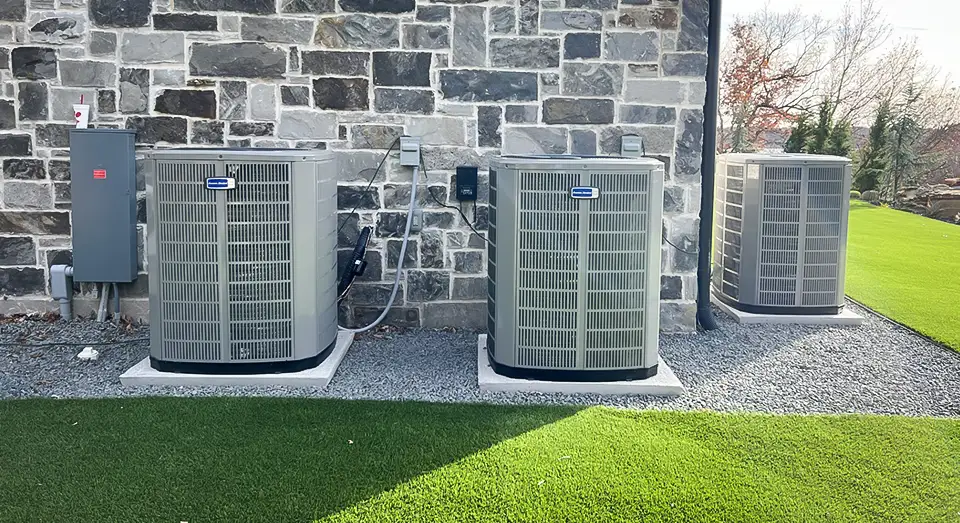
- Mini-Split Systems: These are the smart choice for many homes. With an outdoor unit and indoor air handlers, they use anywhere from 700 to 2,000 watts per hour, depending on the number of zones being cooled. A single unit for a home addition usually runs about 2,000 watts per hour.
- Central Air Systems: Here's where it gets interesting. Central systems are measured in tons (no, not weight—cooling capacity). Each ton needs roughly 1,000 watts. A typical 2,000-square-foot home needs about 3.5 tons of cooling, so you're looking at 3,500 watts per hour. Got high ceilings, lousy insulation, or windows that face the afternoon sun? You'll need more capacity and more watts.
- Just the Fan: Sometimes you just want air circulation without the cooling. Running just your central system's fan typically uses around 750 watts per hour. It's perfect for those in-between days when you don't need full cooling but want some air movement.
Why Your AC Might Be Working Harder Than It Should
Two identical houses with identical air conditioners can have wildly different electric bills. Why? Your AC's actual power consumption depends on more than just the unit itself.
Hot climates make your system work overtime. Poor insulation is like leaving your front door open... all that expensive cool air just flows right out. Leaky ductwork has the same effect, bleeding away your comfort and your cash.
Size matching is crucial. An undersized unit will run constantly, like a hamster on a wheel, never quite catching up. An oversized unit does something worse... it short cycles, turning on and off repeatedly, which wastes electricity every time it fires up.
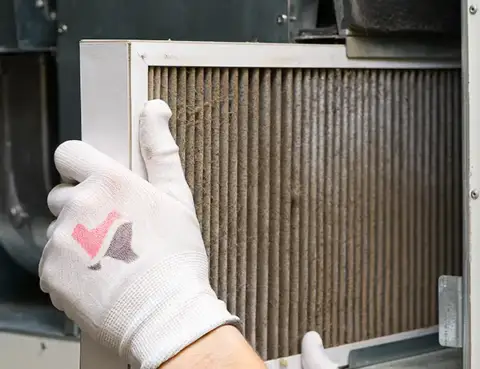
Maintenance matters more than most people realize. A dirty filter chokes your system. Clogged coils make it work harder. Blocked vents and grimy fans force everything to struggle. Your thermostat habits count too. Dropping that setting by just a few degrees can double your runtime, while cranking up the fan speed always uses more juice.
Finding Out What Your System Actually Uses
Most units list their wattage somewhere on a label, though it's usually in the most inconvenient spot possible. Can't find it? Look for volts and amps instead, and then multiply them together for a close estimate.
Here's a quick trick: divide your BTU rating by three to get ballpark wattage. A 24,000-BTU system? That's roughly 8,000 watts.
Keep in mind that startup power is different from running power. Your 3,000-watt unit might spike higher for a few seconds when it kicks on, then settle into its normal rhythm. Smart thermostats and energy monitoring apps can show you what's really happening throughout each cooling cycle.
Why This Stuff Actually Matters
Your electric bill is basically a receipt for kilowatt-hours. More watts means more cost, plain and simple. But tracking your usage does more than help you budget. It alerts you when something's wrong. Sudden spikes in power consumption often point to dirty filters, refrigerant leaks, or failing components.
If you have solar panels or battery backup, understanding wattage becomes critical. During outages, a power-hungry AC can drain your stored energy faster than you'd believe possible.
Even when everything's working perfectly, understanding your consumption helps you make informed decisions about comfort versus cost.
Smart Ways to Cut Your Cooling Costs
- Bump your thermostat up: The difference between 72 and 75 degrees is dramatic on your bill but barely noticeable to your comfort.
- Better insulation: Attic insulation, wall upgrades, and sealing gaps around windows and doors keep your cool air inside.
- Use shade: Trees, awnings, and blackout curtains reduce the heat load on your home.
- Stay on top of maintenance: Monthly filter changes, coil cleaning, and clear ductwork help lower watt usage.
- Upgrade your system: High SEER-rated systems cost more upfront but save money long term.
- Fan-only mode: Use on cooler evenings or pair with ceiling fans for comfort at a fraction of the cost.
Final Thoughts
Once you understand how your AC uses electricity, you're in the driver's seat. Small changes in habits, combined with smart maintenance, can keep your home comfortable without breaking the bank.
Need help figuring out the most efficient solution for your specific home? Our team at Cast Heating & Air Conditioning knows precisely how to match systems to houses, optimize performance, and keep your costs reasonable. Contact us today at (972) 955-2588 and let's make sure you're getting the most comfort for your cooling dollar.