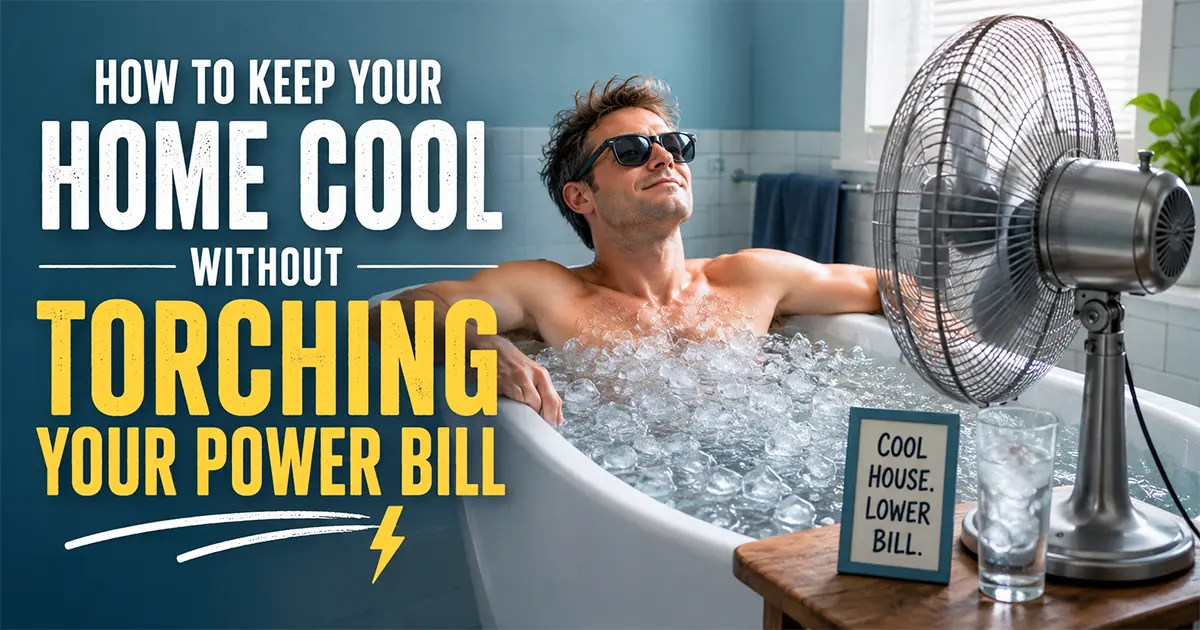
Summer tends to deliver two things homeowners dread at the same time. Blistering temperatures and a power bill that keeps climbing right along with them. When the air conditioner seems to run nonstop, it's natural to wonder whether adjusting the thermostat, shutting the system off, or closing every curtain in the house will actually move the needle.
Search online and you'll drown in opinions. Some homeowners swear by holding the thermostat at 70 all summer. Others say you should never lay a finger on it. One person joked that the smartest way to save money is to crank it up to 80 and spend the afternoon at somebody else's house.
The jokes are fun. The science is a lot more useful.
Does Shutting Off Your AC Actually Save Money?
A common myth says your air conditioner burns the same electricity whether it runs all day or cycles on and off. It doesn't.
Most experts agree that raising the thermostat while you're away trims your energy use. The U.S. Department of Energy reports that bumping the temperature up 7 to 10 degrees for roughly eight hours a day can shave as much as 10 percent off your annual cooling costs.
That doesn't mean you should kill the system every time you head out the door.
Running to the store or grabbing the kids from practice? Turning the AC off buys you almost nothing. Gone for a full workday, though? Letting the house drift up a few degrees saves energy without ruining your comfort the moment you get home.
Humid climates deserve a second thought here. Your air conditioner doesn't just cool the air, it wrings moisture out of it. Leave the system off for too long and indoor humidity creeps up, which leaves the house feeling clammy and opens the door to mold.
Why Humidity Beats Temperature Almost Every Time
Plenty of homeowners fixate on the number glowing on the thermostat, but humidity usually decides how comfortable a house really feels.
Damp air feels warmer because sweat evaporates off your skin more slowly. A house sitting at 75 with moderate humidity can feel far more pleasant than one holding 72 with too much moisture in the air.
That's a big reason two homes with nearly identical thermostat settings can feel completely different. Comfort rides on more than the temperature alone.
What Temperature Should You Actually Set?
No single number works for every family, but energy experts keep landing on the same range.
Around 78 degrees tends to hit the sweet spot between staying comfortable and keeping costs down while you're home.
Once everyone clears out for work or school, nudging the thermostat up a few degrees cuts your cooling bill. Set it back when you return and you're right back to comfortable. And forget about slamming it down to 65 to speed things up. Your air conditioner cools at one steady rate no matter how low you set the dial, so all that does is make it run longer.
Smart thermostats take the hassle out of the whole routine, adjusting on their own based on your schedule so you're not thinking about it twice a day.
Why Your Neighbor's House Stays Cooler Than Yours
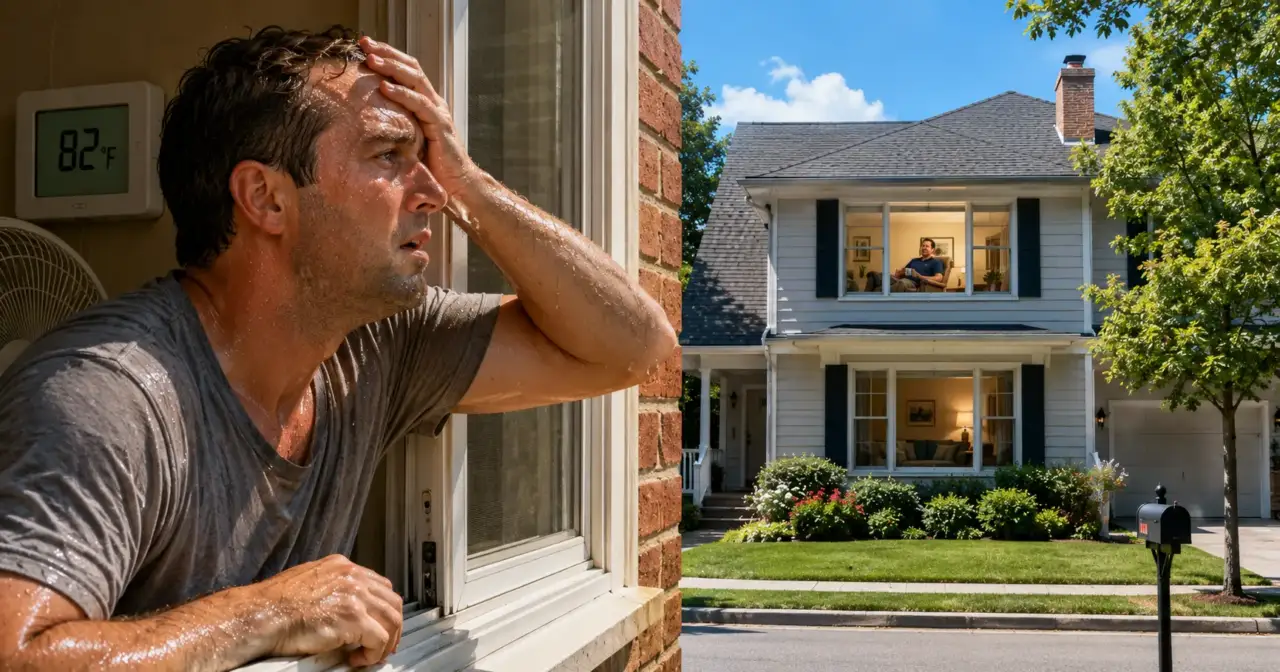
Two homes on the same street can post wildly different electric bills, and insulation is usually the reason.
Good insulation keeps cooled air where it belongs. Older homes with skimpy attic insulation or air leaks gain heat fast, which forces the AC to run more often just to keep up.
Homeowners who've added attic insulation often talk about watching their summer bills drop, and that lines up with what energy experts have preached for years. Beefing up insulation, sealing the leaks around windows and doors, and blocking heat from sneaking in all make a real dent in cooling efficiency.
Construction matters too. Homes built with concrete or masonry hold indoor temperatures differently than lighter wood-framed houses.
Small Moves That Add Up to Real Savings
Lower bills rarely come from one big change. They come from a handful of small habits stacking up.
- Close your blinds or blackout curtains during the worst heat of the afternoon, especially on any window catching direct sun.
- Replace or clean HVAC filters regularly so airflow stays strong and your system doesn't have to work harder.
- Use ceiling fans to improve comfort, allowing many people to raise the thermostat a few degrees.
- Run the dishwasher, washer, and dryer during the evening whenever possible.
- Use a microwave, slow cooker, air fryer, or outdoor grill instead of the oven on especially hot days.
- Replace incandescent bulbs with LED lighting to reduce heat and energy use.
- Schedule annual HVAC maintenance before peak cooling season arrives.
Ceiling Fans Are Great, But They Don't Cool the Room
Ceiling fans get misunderstood constantly.
The breeze cools people by speeding up evaporation off your skin. Once the room empties out, that fan is just spinning and spending electricity without dropping the temperature one bit.
Set your fans to run counterclockwise in summer so they push air downward and give you the breeze you're actually after.
Bigger Upgrades That Earn Their Keep
Some improvements cost money upfront but pay you back in comfort and lower bills over the long haul.
- Add attic insulation to reduce heat gain.
- Seal air leaks with weatherstripping around windows and doors.
- Install a smart thermostat to automate temperature adjustments.
- Upgrade to a properly sized high-efficiency HVAC system when replacement becomes necessary.
- Consider ductless mini-split systems for additions, bonus rooms, garages, or hard-to-cool spaces.
Final Thoughts
The biggest energy savings almost always come from the most unglamorous of things. Insulation, maintenance, humidity control, and thermostat settings you actually stick to.
A comfortable home doesn't take an air conditioner running around the clock. Pair smart thermostat habits with routine maintenance, solid insulation, clean filters, and a few easy energy-saving moves, and you cut costs without giving up comfort. Your system runs easier, your house feels better through the worst of summer, and that next electric bill lands a whole lot softer.
For a tune-up or an efficiency analysis, give your friends at CAST Heating & Air a call at (972) 955-2588. We'll make sure your unit is operating at its optimum during the heat of our summer!