
North Texas winters may not bring the same kind of cold as the northern states, but ask anyone in Combine, and they'll tell you how fast a warm day can turn into an icy week. Whether it's a surprise freeze or just a long stretch of cold nights, your HVAC system needs to be ready before the temperature drops.
Too many homeowners wait until the first freeze hits to turn on their heat, only to find out the system isn't working right. The goal is to prevent that scenario entirely. A few smart steps now will save you money, improve comfort, and help your system last longer.
Get Your Furnace or Heat Pump Serviced Before You Need It
Your HVAC system is like your car, it needs regular maintenance to perform at its best. Seasonal tune-ups keep things running efficiently, catch problems early, and help you avoid mid-season breakdowns when every HVAC company in the area is completely booked.
During a tune-up, one of our technicians will inspect heat exchangers, check burners, test safety switches, examine the blower motor, and make sure your system is cycling properly. We will clean components, tighten connections, and look for signs of wear that could cause trouble when you need heat most.
If your unit is older or hasn't been serviced in a while, this step matters even more. Small issues left untreated can snowball into expensive repairs or complete system failure right when temperatures drop.
Change That Air Filter (And Then Keep Changing It)
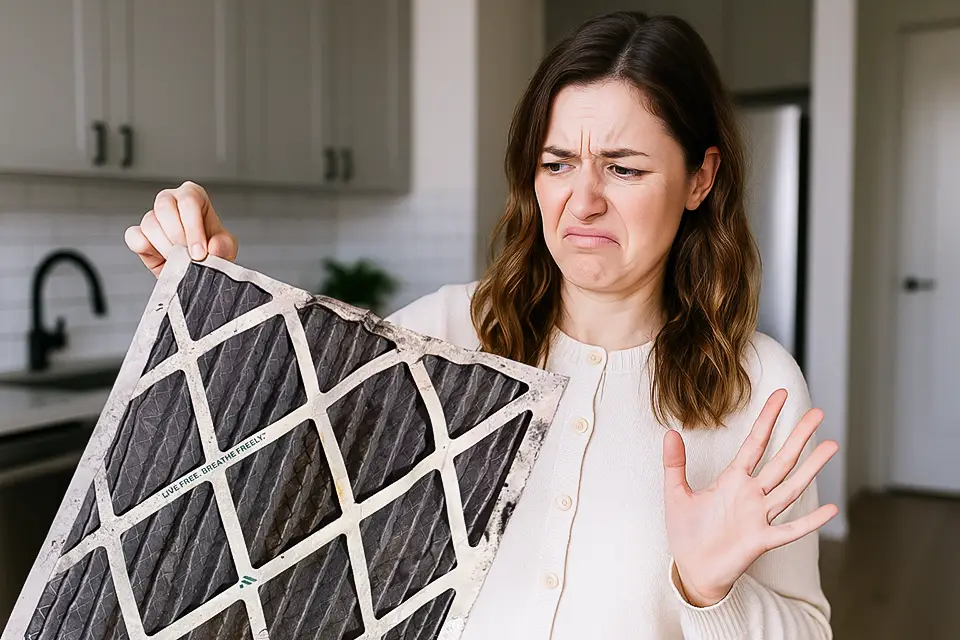
This is one of the simplest things homeowners can do, yet it's constantly overlooked. A clogged filter reduces airflow, forcing your system to work harder. The result? Higher energy bills and unnecessary stress on your equipment.
Haven't changed your filter in a couple of months? Do it now, before winter starts. Then get in the habit of checking it monthly. Many homes, especially those with pets or allergy sufferers, need filters replaced more frequently during winter when systems run longer each day.
Test and Program Your Thermostat
Still using an older, manual thermostat? Now's the time to upgrade. A programmable or smart thermostat improves comfort and can significantly cut energy costs.
Set your thermostat to 68 degrees during the day when people are home. Drop it by 10 to 15 degrees when the house is empty or overnight. This simple adjustment can reduce heating costs by up to 10 percent.
Smart thermostats let you control temperatures from your phone and can learn your schedule to make adjustments automatically. Whether you're upgrading your HVAC system or just looking to save more this winter, a thermostat upgrade is worth it.
Make Sure All Vents Are Open and Clear
It's common to find furniture, curtains, or rugs blocking vents. That stops warm air from circulating properly and can make your system run longer just to heat one room.
Walk through every room and confirm that vents and return air grilles are fully open and unobstructed. Clean off any dust buildup that collected during the summer. This quick task improves both comfort and air quality.
Prep Your Heat Pump or Outdoor HVAC Unit
If your home uses a heat pump, the outdoor unit works year-round, including during winter. That means it needs attention before cold weather arrives.
Clear away leaves, grass clippings, or debris around the unit. Make sure there's at least two feet of clearance on all sides. Trim back branches and clean gutters above the unit to prevent ice buildup or water dripping during a freeze.
Don't cover your heat pump, these units are designed to handle winter weather. But if you notice snow or ice collecting during a storm, gently clear it off to keep the system running efficiently.
Check and Seal Your Ductwork
Leaky ducts can lose up to 30 percent of your heated air before it ever reaches a room. In attics or crawl spaces, unsealed ducts waste energy and reduce comfort.
Inspect exposed ductwork where you can reach it. Look for loose connections, gaps, or damaged insulation. You can seal small gaps yourself with foil tape or mastic, but major problems should be handled by a professional. Proper duct sealing can drastically improve airflow and lower your heating bill.
Don't Ignore the Furnace Drainage System
If you have a high-efficiency furnace, it likely has a condensate drain line to remove water that forms during operation. If this line gets clogged, water can back up, trigger a safety shut-off, or even leak into your home.
Take a look at the drain pan and line. Make sure there's no standing water, cracks, or blockages. If your system includes a condensate pump, check that it's working properly. These small issues can become big problems once the system starts running daily.
Run a Full System Test Before the First Freeze
Too many people wait until the temperature drops to discover their heat doesn't work. Avoid the emergency call by running a test cycle before you actually need it.
Turn your heat on, set the thermostat a few degrees higher than the current temperature, and let the system run for a while. Listen for odd noises. Check that warm air is flowing from all vents. Watch for short cycling or poor airflow.
If anything seems off, now's the time to have it checked. Repairs made now are usually faster and less expensive than during peak demand when technicians are running from one emergency to the next.
Test Smoke and Carbon Monoxide Detectors
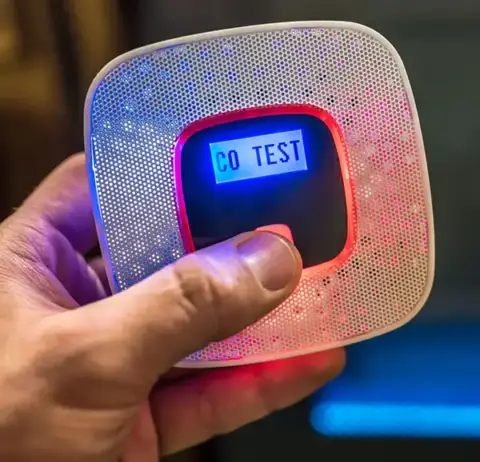
Every home should have working smoke alarms and carbon monoxide detectors, especially during the heating season when combustion systems are in constant use.
Test your alarms. Replace batteries if needed. Make sure you have detectors near sleeping areas and on every level of your home. If your detectors are more than 10 years old, replace them.
Carbon monoxide is colorless and odorless. A working detector is your only reliable way to know if something's wrong.
Be Ready for Winter Weather and Power Outages
North Texas doesn't get many snow days, but when we do, they can shut down power for hours or even days. Better to plan ahead.
If your HVAC system relies on electricity (including electric heat pumps), think about how you'll stay warm during an extended outage. A portable generator can keep critical systems running. Whole-home standby generators are even more reliable and can keep your heat, lights, and appliances running without interruption.
Know where your shutoff switches are, especially for gas or propane furnaces. If you rely on propane or heating oil, check your fuel levels now and schedule a refill if needed.
Small Upgrades That Make a Big Difference
Winter comfort isn't just about your furnace. If you've noticed uneven temperatures throughout your home, it may be time to consider a zoning system. Zoning gives you control over different areas of the house independently, helping to fix problems like cold bedrooms or overheated living rooms.
Adding a whole-home humidifier is another smart winter upgrade. Indoor air dries out fast in the winter, and dry air makes your home feel colder than it actually is. A humidifier helps keep humidity at comfortable levels and reduces static, dry skin, and even damage to wood furniture or flooring.
Boosting attic insulation and sealing gaps around windows and doors will also help your heating system work more efficiently, and keep your home warmer with less energy use.
Final Thoughts
Once cold weather sets in, HVAC service calls spike. That means longer wait times and less flexibility. If your system needs maintenance or repairs, book now, before the busy season hits.
Cast Heating & Air Conditioning offers fast, dependable HVAC services to homeowners across Combine and the surrounding communities. Whether it's a simple tune-up, urgent repair, or full system replacement, our team is ready to help you stay warm, safe, and comfortable all winter long.
To schedule your seasonal HVAC tune-up, heating repair, or system evaluation, contact us today at (972) 955-2588.
Winter is coming. Let's make sure your HVAC system is ready for it.