Combine doesn't get blanketed in snow every winter, but anyone who's lived here long enough knows Texas weather doesn't play by the rules. One day you're in a t-shirt, the next you're scraping ice off your windshield at 6am. That's usually when the trouble starts... when nobody's ready for it.
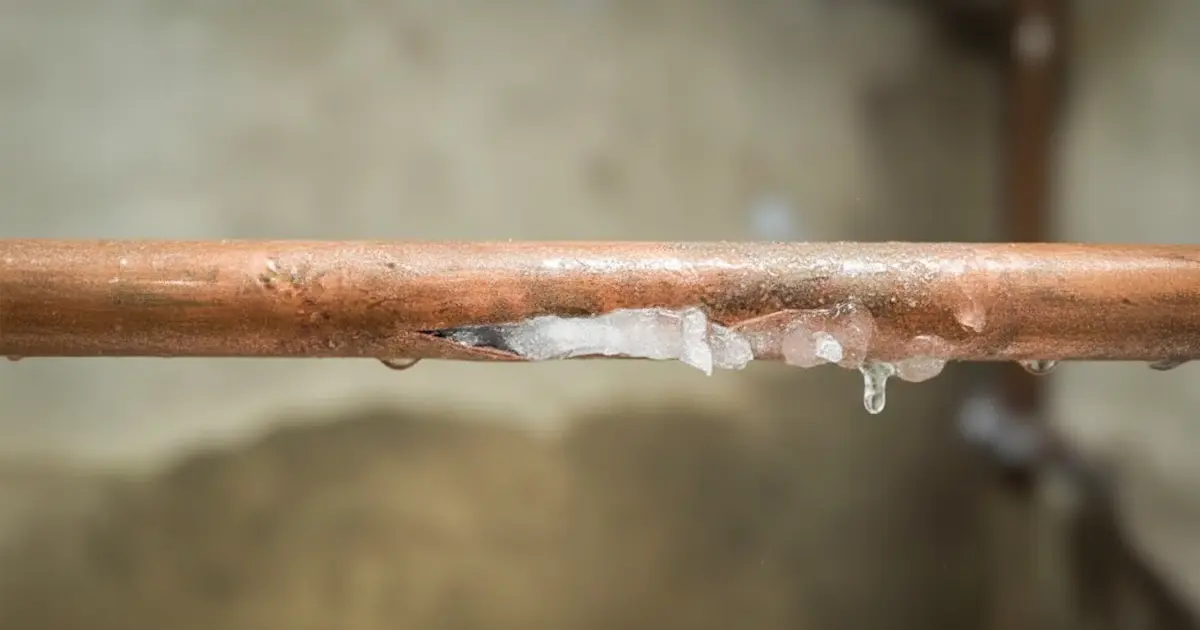
Burst pipes don't care about your schedule. They'll crack open in the middle of the night, flood your utility room, ruin your floors, and leave you with a repair bill that makes your stomach drop. We're talking tens of thousands of dollars from a single pipe failure. And it doesn't take a week-long freeze to cause it. Just one bad night.
Why Texas Homes Are More Vulnerable Than You'd Think
People assume frozen pipes are a problem for Minnesota or Montana. Not here. But here's the thing: most homes in North Texas weren't designed with extended freezing temps in mind. A lot of older houses have pipes running through uninsulated attics, open crawl spaces, or tucked into exterior walls with zero protection. Garages that were added later? Almost always a weak spot.
Water expands when it freezes. That's basic science, but what it does to a pipe is anything but simple. The ice builds pressure inside the line until something gives. Copper splits. PVC cracks. And once the thaw hits, all that trapped water comes pouring out into places it was never meant to go.
Where Your Home Is Most at Risk
Not every pipe in your house is equally vulnerable, so it helps to know where to focus your attention.
Garages are high on the list, especially if they're not heated and you've got washing machine hookups or a water heater out there. Same goes for attics, crawl spaces, and anywhere that's exposed to outside air. Even pipes under sinks can freeze if they sit against an exterior wall and the temperature drops hard enough.
Don't forget about the outside stuff either. Hose bibs, irrigation lines, pool plumbing, and anything connected to your sprinkler system can freeze solid overnight if you're not careful.
Getting Ahead of the Cold
Most plumbing disasters happen because people wait too long. The first freeze of the season always catches someone off guard, and by then it's too late to do much besides damage control.
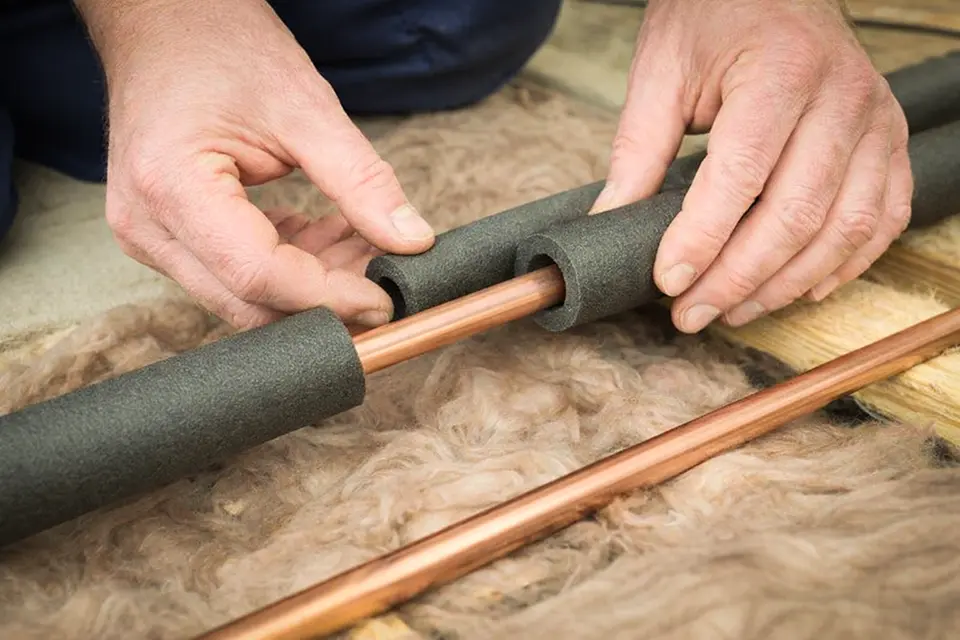
Pipe insulation is cheap, easy to find, and takes maybe an hour to install if you're moving slow. Foam sleeves slide right over exposed pipes. Insulation tape wraps around joints and bends. You don't need to be a professional to handle this, just hit the hardware store and cover anything that's sitting in an unheated space.
While you're at it, check for gaps. Cold air sneaks in through cracks around windows, doors, and wherever pipes enter your house. A can of spray foam or some weatherstripping will shut most of those down.
And for the love of all things dry, disconnect your garden hoses. Leaving one attached to an outdoor spigot is practically asking for trouble. Water gets trapped in the hose, freezes, pushes back into the pipe behind your wall, and boom... you've got a cracked line you can't even see yet. Wrap those outdoor faucets with insulated covers and shut off the valve inside if your house has one.
Keep Things Warm Inside
You might be tempted to crank the heat down at night or when you leave for the weekend. That's usually fine, but not when a freeze is coming. Water that's just sitting in a pipe will turn to ice fast if the temperature drops too low.
Set your thermostat to at least 55°F and leave it there. If you've got sinks on an outside wall, pop open the cabinet doors so warm air can get underneath. It sounds almost too easy, but it works.
Letting a faucet drip helps too. Moving water doesn't freeze nearly as fast, plus it keeps pressure from building up in the line. Pick a couple of faucets that are fed by pipes in risky areas and let them trickle when it's really cold out. Your water bill might tick up a dollar or two, but that beats a flooded hallway.
Spotting Trouble Before It Gets Worse
A frozen pipe doesn't always announce itself. Sometimes you just turn on the tap and nothing happens. Or you get a weak trickle when you should be getting full pressure. That's your cue that ice is blocking the line somewhere.
Frost on an exposed pipe is another giveaway. So are weird noises such as whistling, banging, anything that sounds off. If you notice a cold spot on a wall or ceiling that wasn't there before, that's worth investigating.
Don't ignore these signs. The longer a frozen pipe sits there, the more likely it is to burst.
What to Do if a Pipe Freezes
First thing: leave the faucet open. When the ice melts, the water needs somewhere to go. Then you can try warming the pipe gently with a space heater, hair dryer, or even some towels soaked in hot water. Start near the faucet and work your way back toward the blockage.
Whatever you do, don't grab a blowtorch or anything with an open flame. You'll either melt the pipe, start a fire, or both. And if the frozen section is behind a wall or you think the pipe might already be cracked, shut off your main water supply right now. Better safe than swimming.
Once things thaw out, watch for leaks. That's why knowing where your shutoff valve is matters so much. If water starts spraying somewhere it shouldn't be, you need to kill the flow immediately.
When a Pipe Actually Bursts
If a pipe lets go, you're in crisis mode. Get to your main shutoff and turn it off. If there's water near outlets or appliances, cut the power to that part of the house. Then start opening faucets to drain whatever's left in the system.
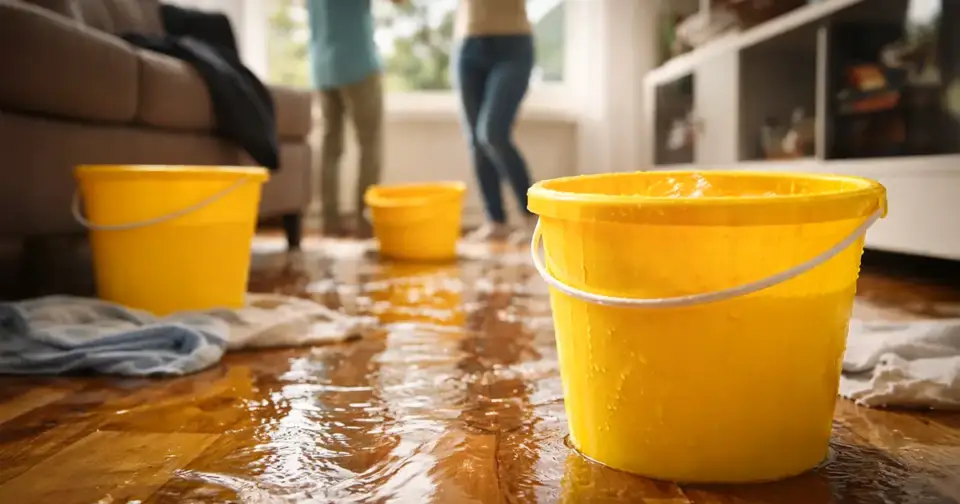
Grab every towel you own. Start mopping, bucketing, whatever it takes to get water off the floor. The faster you move, the less damage you'll have to fix later.
Take pictures before you clean everything up. Document the burst pipe, the water damage, all of it. You'll need that when you call your insurance company.
Making Your Home Winter-Ready for the Long Haul
Insulating exposed pipes is a good start, but if you've had problems before or you just know your house is drafty, it's worth doing more. Adding insulation to your attic, garage, or crawl space can make a real difference. Heat tape is another option. It wraps around vulnerable pipes and keeps them just warm enough to stay unfrozen.
If you're doing any kind of renovation, talk to your contractor about moving pipes away from exterior walls. New construction should always plan for freeze protection from the start.
Smart leak detectors are getting more popular too. They pick up on moisture or pressure changes and send an alert to your phone if something's wrong. Some can even shut off your water automatically if they detect a problem.
Final Thoughts
A little prevention beats a big repair bill every time. Pipe insulation and sealing supplies cost next to nothing, especially if you buy them before the first freeze warning hits. Once it gets cold, those shelves empty out fast.
Water damage doesn't just stain your walls. It seeps into floors, wrecks drywall, and creates mold problems you won't even notice until months later. Repairs are expensive, disruptive, and insurance companies love finding reasons not to cover everything if they think you didn't do enough to prevent it.
You don't have to wait until the forecast shows freezing temps to start preparing. If you've dealt with frozen pipes before, if you're not sure where your weak spots are, or if you just want someone to check things out, now's the time.